-
Shop
- Advanced Technologies
- AI Skills
- AI Skills Mastery 2026 Collection
- Bathroom
- Best-Sellers
- Car Accessories
- Car Buying & Ownership
- Confidence
- Dating & Social Skills
- Digital Resources
- Education & Learning
- Family & Parenting
- Fashion
- Alexander McQueen
- Bags
- Bags & Wallets
- Balenciaga
- Belts
- Blazers
- Blouses & Shirts
- Bottega Veneta
- Bottoms
- Brunello Cucinelli
- Burberry
- Chanel
- Chloé
- Clothing
- Dior
- Dolce & Gabbana
- Dresses
- Etro
- Fendi
- Gucci
- Hats & Hair Accessories
- Jacquemus
- Jewelry
- Jil Sander
- Keychains
- Kiton
- Luggage
- Luggage Bags
- Miu Miu
- Off-White
- Outerwear
- Prada
- Rick Owens
- Saint Laurent
- Scarves
- Shoes
- Socks & Tights
- The Row
- Tom Ford
- Valentino
- Valentino Garavani
- Versace
- Vivienne Westwood
- Watches
- Fashion Accessories
- Furniture
- Gadgets
- Health & Beauty
- Health & Wellness
- Home & Garden
- Home Decor
- Home Electronics
- Home Supplies
- Kids & Babies
- Kitchen Best-Sellers
- Lighting
- Patio, Lawn & Garden
- Personal Growth
- Pet Care
- Pet Supplies
- Pets
- Sport & Outdoors
- Super Deals
- Travel
- Travel & Adventure
- Wealth
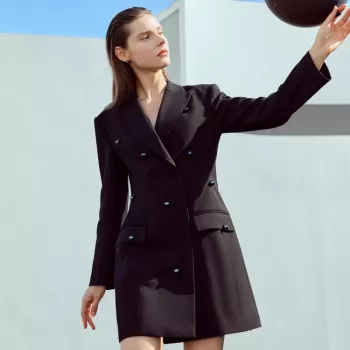
Longline Winter Blazer for Women: Fit, Warmth & Style

Long Tailored Winter Blazer for Women: Sharp Structure, Cold-Season Comfort
A long tailored blazer brings polish to winter outfits without sacrificing warmth. The longer hem adds coverage, the structured shoulders refine the silhouette, and the right layering strategy makes it practical for commute-to-dinner days. This guide breaks down what to look for, how to style it, and how to keep it looking crisp through the season.
What Makes a Long Tailored Winter Blazer Different
A winter-ready longline blazer sits in a sweet spot between suiting and outerwear—clean enough for work, comfortable enough for everyday layering.
- Longline cut: Typically extends past the hip for extra coverage and a streamlined look over knits and dresses.
- Tailored structure: Shaped seams, defined lapels, and set shoulders create a refined profile even with thicker layers underneath.
- Winter-ready intent: Works as a top layer indoors and a mid-layer under coats outdoors, depending on temperature and fabric weight.
- Versatility: Bridges formal and casual styling—office-ready with trousers, relaxed with denim and boots.
If the goal is a single piece that instantly sharpens jeans, elevates sweaters, and still feels season-appropriate, a long tailored option is hard to beat. For a streamlined, structured pick, see the Long Tailored Winter Blazer for Women.
Fabric and Warmth: What to Prioritize in Cold Weather
Warmth in a blazer isn’t only about thickness. The right fabric, lining, and finish determine whether it blocks drafts, layers smoothly, and holds its shape after repeated wear.
- Outer fabric: Look for dense weaves and a substantial hand-feel. Wool blends are popular for warmth and drape, while synthetics can add durability and easier care.
- Lining: A smooth lining helps a blazer slide over sweaters. Partial lining feels lighter; full lining tends to feel warmer and keeps the structure more consistent.
- Wind resistance: Tighter fabrics and longer length reduce drafts along the hips and thighs—an underrated comfort upgrade on breezy days.
- Comfort details: Consider sleeve ease for chunky knits, and lapels that lay flat when worn with scarves.
Common Winter Blazer Materials and What They’re Best For
| Material | Best for | Trade-offs |
|---|---|---|
| Wool or wool blend | Warmth, classic tailoring, elegant drape | Often needs dry cleaning; can pill if rubbed by heavy bags |
| Polyester blend | Durability, wrinkle resistance, easier care | Can feel less breathable; warmth depends on thickness |
| Tweed or textured weave | Extra warmth, visual interest, heritage look | Texture can snag; can feel heavier indoors |
| Brushed fabrics (e.g., melton-like) | Wind resistance and cozy finish | May attract lint; requires careful brushing/storage |
Care expectations matter, too. Wool-blend tailoring often lasts longer when it’s aired out and brushed between wears, with cleaning guided by the label (see Woolmark’s wool care instructions and the FTC Care Labeling Rule for what labels must disclose).
Fit and Silhouette: Getting the Tailoring Right
A long tailored blazer looks best when it follows the body cleanly without clinging. The goal is crisp lines that still allow a comfortable range of motion.
- Shoulders first: The shoulder seam should align closely with the natural shoulder to keep the look sharp and avoid bunching under coats.
- Button stance and lapels: Higher button placement can visually lengthen legs; wider lapels read more powerful and can balance broader shoulders.
- Length check: Longline styles tend to flatter most when the hem hits at a narrower point of the leg (mid-hip to above knee, depending on height and proportions).
- Sleeves: Leave enough room to layer. A polished sleeve length often shows a sliver of shirt cuff or knit at the wrist.
- Movement: Test sitting and reaching—tailored pieces should allow easy arm lift and comfortable closure without pulling across the back.
Layering for Real Winter: From Mild Chill to Deep Cold
The easiest way to get more wear out of a tailored longline blazer is to treat it as a modular layer: a clean “top layer” inside, and a shaping mid-layer outside.
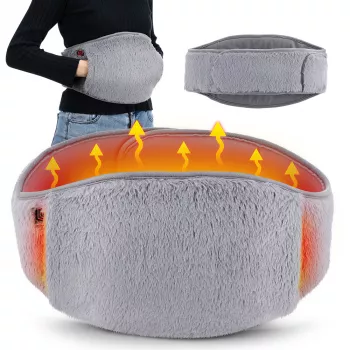
On days when cold affects comfort beyond clothing—long commutes, drafty offices, or time outdoors—a targeted heat layer can help. The USB electric heating belt for extra warmth on colder days is a simple add-on that stays discreet under knits and tailored layers.
Winter Outfit Formulas Using a Long Tailored Blazer
| Occasion | Base layers | Bottoms & shoes | Finishing touches |
|---|---|---|---|
| Workday | Fine-gauge turtleneck | Tailored trousers + loafers/boots | Leather belt, minimal jewelry |
| Weekend errands | Crewneck sweater | Straight jeans + ankle boots | Beanie, crossbody bag |
| Dinner or events | Silky blouse or knit top | Midi skirt + heeled boots | Statement earrings, clutch |
| Travel days | Long-sleeve tee + cardigan | Leggings + sneakers/boots | Scarf, roomy tote |
Styling Details That Elevate a Tailored Longline Blazer
Care and Storage to Keep the Structure Crisp
For additional garment-care guidance with a sustainability lens, the British Fashion Council highlights care practices that help extend the life of wardrobe staples.
FAQ
Can a long tailored blazer be worn as outerwear in winter?
Yes—on mild winter days, a long tailored blazer can work as outerwear if the fabric is substantial and wind isn’t extreme. In colder climates, it’s best as a mid-layer under a coat, especially when wind or precipitation is a factor.
What should be worn under a tailored blazer in cold weather without adding bulk?
Choose fitted base layers and fine-gauge knits like merino or a thin turtleneck, ideally with a smooth-lined blazer for easy movement. For commuting, a thin thermal top plus a merino sweater keeps warmth high and bulk low.
How should a longline blazer fit at the shoulders and sleeves?
The shoulder seam should sit close to the natural shoulder without extending past it, and you should be able to lift your arms comfortably without tight pulling across the back. Sleeves should allow light layering and typically end near the wrist bone, leaving room to show a small cuff for a styled finish.
Recommended for you

Was this article helpful?
Yes
No








Leave a comment