-
Shop
- Advanced Technologies
- AI Skills
- AI Skills Mastery 2026 Collection
- Bathroom
- Best-Sellers
- Car Accessories
- Car Buying & Ownership
- Confidence
- Dating & Social Skills
- Digital Resources
- Education & Learning
- Family & Parenting
- Fashion
- Alexander McQueen
- Bags
- Bags & Wallets
- Balenciaga
- Belts
- Blazers
- Blouses & Shirts
- Bottega Veneta
- Bottoms
- Brunello Cucinelli
- Burberry
- Chanel
- Chloé
- Clothing
- Dior
- Dolce & Gabbana
- Dresses
- Etro
- Fendi
- Gucci
- Hats & Hair Accessories
- Jacquemus
- Jewelry
- Jil Sander
- Keychains
- Kiton
- Luggage
- Luggage Bags
- Miu Miu
- Off-White
- Outerwear
- Prada
- Rick Owens
- Saint Laurent
- Scarves
- Shoes
- Socks & Tights
- The Row
- Tom Ford
- Valentino
- Valentino Garavani
- Versace
- Vivienne Westwood
- Watches
- Fashion Accessories
- Furniture
- Gadgets
- Health & Beauty
- Health & Wellness
- Home & Garden
- Home Decor
- Home Electronics
- Home Supplies
- Kids & Babies
- Kitchen Best-Sellers
- Lighting
- Patio, Lawn & Garden
- Personal Growth
- Pet Care
- Pet Supplies
- Pets
- Sport & Outdoors
- Super Deals
- Travel
- Travel & Adventure
- Wealth
Mini Far Infrared Home Sauna: Low EMF + Bluetooth
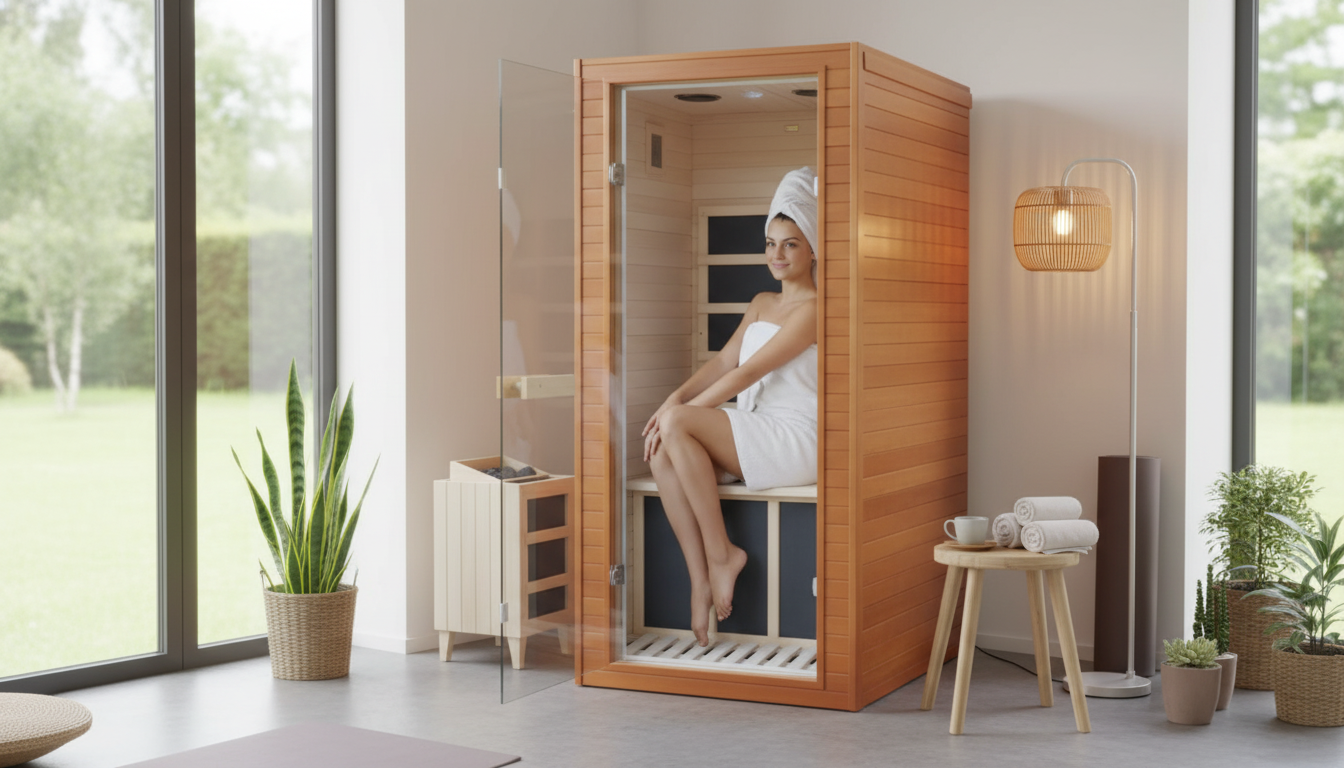
Home Comfort Meets Heat Therapy: A Mini Far Infrared Sauna With Low-EMF Focus and Bluetooth
A compact indoor sauna can turn a small corner of a home into a consistent heat-therapy routine. This mini wooden unit combines far infrared heat with a low-EMF design approach and a built-in Bluetooth player, creating a calmer, more enjoyable session without complicated setup. For many households, it’s a practical way to add warming relief after workouts, a wind-down ritual at night, or a quiet break between busy days. For more guidance, see One Person Elite Full Spectrum – Vital Health Saunas.
What This Mini Indoor Sauna Is Designed For
This style of cabin aims to deliver a classic sauna “getaway” feeling while staying apartment- and home-gym-friendly. The overall experience is built around warmth, simplicity, and repeatable sessions. For further reading, see Explore Dynamic Saunas Barcelona: A Safer Way to Wellness.
- Provides far infrared heat that warms the body directly, often at lower ambient temperatures than traditional steam-style setups
- Built for indoor use with a smaller footprint suited to apartments, bedrooms, or home gyms
- Low-EMF focus for users who prefer minimizing electromagnetic exposure during sessions
- Bluetooth audio support for music, guided breathing, or meditation tracks
- Wooden enclosure aimed at warmth retention and a classic sauna feel
Far Infrared Heat: What to Expect During a Session
Far infrared sessions typically feel different from a humid, high-heat sauna. The warmth is often described as more even and “soaking,” which some people find easier to tolerate while still encouraging a good sweat.
- Sensation tends to feel like deep, even warmth rather than hot, humid air
- Sessions commonly start shorter while the body acclimates; hydration before and after matters
- Useful for post-workout recovery routines, relaxing at the end of the day, or warming up stiff joints
- A towel on the bench/floor helps keep the interior cleaner and more comfortable
- Stop a session if dizziness, nausea, or unusual discomfort occurs
For a grounded look at benefits and cautions, the Cleveland Clinic overview of sauna benefits and risks is a helpful reference: https://health.clevelandclinic.org/are-saunas-good-for-you/.
Low-EMF Considerations Without the Guesswork
“Low EMF” can be a meaningful preference, but it’s worth approaching it practically. Numbers can vary based on measurement method and where readings are taken, so a little verification goes a long way.
- Low-EMF claims vary by how and where EMF is measured (distance from heaters, control panel area, wiring routes)
- Good practice: request or look for measurement details, and keep the control panel area away from prolonged close contact when possible
- Placement matters: avoid sharing outlets with high-draw appliances; use a grounded outlet and follow the manufacturer’s electrical guidance
- If EMF sensitivity is a concern, consider using a consumer EMF meter to verify readings in the exact installation environment
Since infrared devices are a category with safety considerations, it’s also useful to review the FDA guidance around infrared lamps and safe use: https://www.fda.gov/radiation-emitting-products/home-business-and-entertainment-products/infrared-lamps.
Comfort and Fit: Space, Seating, and Ventilation
A mini sauna is easiest to love when it fits the room and the user comfortably. A few minutes of planning helps prevent common frustrations like cramped seating, poor airflow, or awkward door clearance.
- Plan for clearance around the unit for door swing, airflow, and safe access
- Confirm user fit: interior height/bench depth should match typical seated posture
- Ventilation should be adequate in the room; avoid placing the sauna in a sealed, unventilated closet
- Use a heat-safe mat under the unit if installing on delicate flooring
- Keep children and pets away while the unit is hot and cooling down
Bluetooth Player: Small Feature, Big Routine Booster
Consistency is what turns an occasional sauna day into a real routine. Bluetooth audio can make sessions feel more intentional—less like “waiting for time to pass,” and more like a personal wellness block.
Key Specs to Confirm Before Ordering
Quick checklist for setup readiness
| Item to verify | Why it matters | What to prepare |
|---|---|---|
| Room location | Safe access, airflow, and comfort | Measure space + clearance; choose a dry area |
| Outlet and grounding | Reduces electrical risk and nuisance trips | Use a grounded outlet; avoid extension cords unless approved |
| Floor protection | Prevents heat/moisture marks | Heat-safe mat or protective layer |
| Ventilation | Helps comfort and humidity control | Room airflow or nearby vent/fan as needed |
| Cleaning plan | Keeps wood fresh and odor-free | Towels, gentle cleaner, regular wipe-down schedule |
Care, Cleaning, and Wood Longevity
Who This Mini Sauna Tends to Suit Best
Product Spotlight
FAQ
How long should a typical far infrared sauna session be?
Many people do well with about 10–30 minutes, starting closer to 10–15 minutes until they know how they feel. Drink water before and after, and end the session early if you feel lightheaded or unwell; consult a clinician if you have medical conditions.
Is a low-EMF sauna automatically safe for everyone?
No—low EMF may reduce one type of exposure, but it doesn’t remove other considerations like heat tolerance and cardiovascular strain. Pregnancy, heart conditions, blood pressure concerns, and certain medications are all reasons to get medical guidance and follow the manufacturer’s safety instructions closely.
Can Bluetooth devices be used safely around sauna heat?
It’s usually best to keep phones and tablets outside the hot cabin whenever possible, since heat can shorten battery life and affect performance. Use the built-in Bluetooth player when available, and avoid placing electronics on hot surfaces or where condensation could reach them.
Recommended for you

Was this article helpful?
Yes
No








Leave a comment